話し合いの場で年1程何回かお邪魔しています。 駐車場はショッピングセンターなので停められないということはありません。遠くはなりますが。 喫煙される方は店外にあるので一旦出なければいけません。 店員さんは誰が来ても感じよく気持ちいいです。そういう人材を採用しているようにしか思えません。お水も氷多めできますか?と聞いたら、厨房の方へ行き氷多めで持ってきてくれました。なんということでしょう!驚きです。食事も適度な待ち時間で来て、どれを食べても美味しいです。席が、2人席だと男性だと結構窮屈に感じるかもしれません。唯一、やっぱり長時間居てセットでもなくコーヒーを注文するとかなりの金額になるので場所を借りてると思えば安いのですが、ちょっと高いな?と思います。なので自分のペースを抑えてコーヒー飲んでました。でもトータルでいいお店ですごちそうさまでした!!
Overview
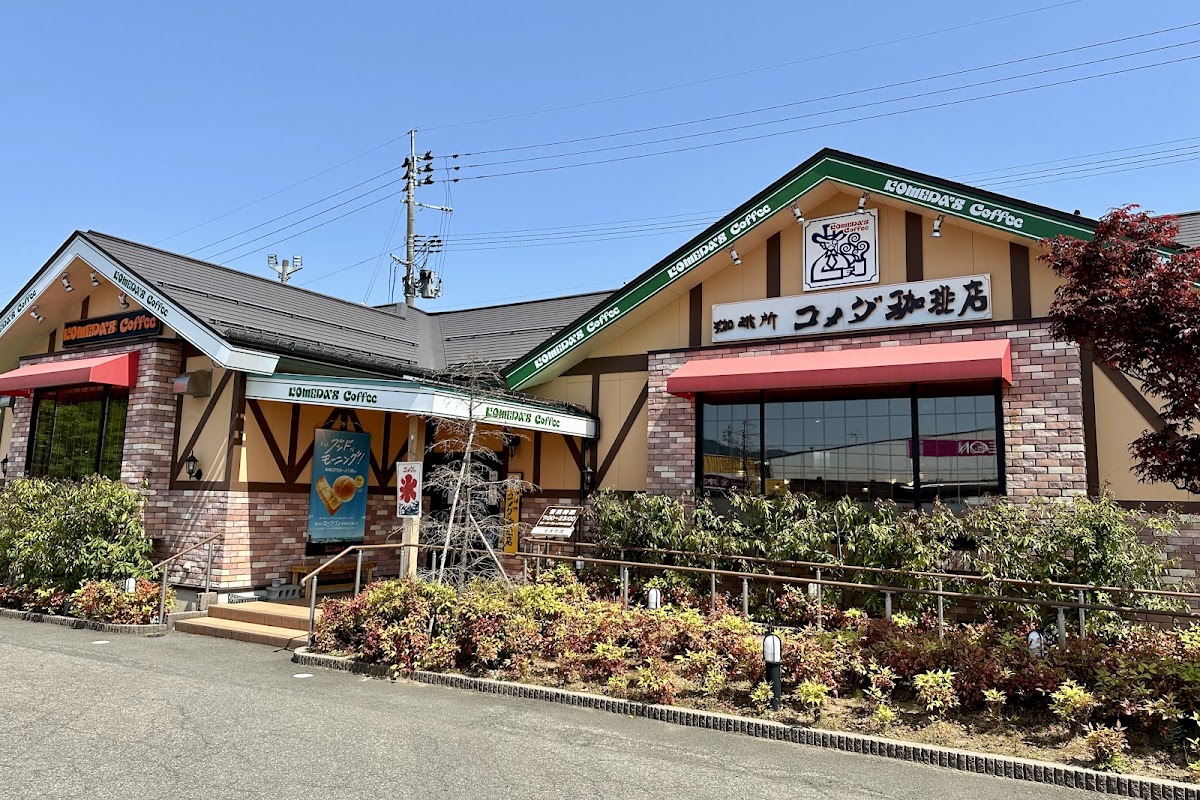
Walking into Komeda's Coffee for the first time feels a bit like stepping into a living room that just happens to serve really good food and coffee. I first visited the branch at 9-37 Honamimachi, Tsuruoka, Yamagata 997-0862, Japan on a cold morning while traveling through Yamagata Prefecture, and it immediately made sense why this diner-style café has such a loyal following across Japan. The atmosphere is relaxed, the seating is generous, and no one rushes you out the door, which is something both locals and travelers quietly appreciate.
One of the most talked-about parts of the menu is the Morning Service, where ordering a simple coffee before 11 a.m. gets you a complimentary toast and boiled egg. I’ve tested this more than once, partly out of curiosity and partly because it feels like one of the best value breakfasts around. This practice isn’t random either; according to the Japan Coffee Association, morning café visits are deeply embedded in Japanese daily routines, especially among commuters and retirees. Komeda leaned into that habit and built a system that rewards customers for slowing down at the start of the day.
The food itself goes far beyond what most people expect from a coffee shop. Their hot sandwiches, especially the thick-cut ham and egg options, arrive oversized and indulgent. The famous Shiro-Noir, a warm Danish pastry topped with soft-serve ice cream, is often mentioned in reviews and for good reason. I once watched a neighboring table split one between three people, and they still struggled to finish it. Portion size is a recurring theme in customer reviews, and Komeda consistently scores high for value compared to other casual dining locations.
What sets Komeda’s Coffee apart operationally is its franchise consistency. Each location follows standardized preparation methods, from bean sourcing to brewing temperature. Komeda publicly states that its coffee beans are carefully selected and roasted to maintain flavor stability nationwide. This aligns with research from the Specialty Coffee Association, which notes that water temperature and grind size alone can alter flavor extraction by over 20 percent. You can taste that attention to process here; the coffee is smooth, low in acidity, and easy to drink even without sugar.
From an expertise standpoint, Komeda’s long-standing reputation matters. Founded in Nagoya in 1968, the brand has been referenced in Japanese business publications like Nikkei for successfully exporting kissaten culture into a scalable model. That history shows in how staff interact with customers. On my visit in Tsuruoka, the server checked in quietly, refilled water without asking, and never hovered. That balance between service and privacy is intentional and frequently praised in diner-style reviews.
Trust also comes from transparency. Nutritional information for menu items is available upon request, which is increasingly important as Japan’s Ministry of Health continues to encourage informed dining choices. That said, Komeda isn’t pretending to be health food. Butter, bread, and cream are part of the experience, and it’s worth knowing that lighter options are limited.
Locations like the Tsuruoka branch serve as community hubs, not just pit stops. You’ll see students studying, older couples chatting, and solo diners reading newspapers. The consistency across locations builds confidence, but the local crowd gives each diner its own rhythm. That mix of familiarity and regional charm is why many people return, sometimes daily, and why Komeda’s Coffee continues to hold its place in Japan’s café landscape.
Good to know
Service options
✓ Takeaway ✓ Dine-in ✓ DeliveryHighlights
✓ Great coffee ✓ Great dessert ✓ Great tea selectionPopular for
✓ Breakfast ✓ Lunch ✓ Solo dining ✓ Good for working on laptopAccessibility
✓ Wheelchair-accessible car park ✓ Wheelchair-accessible entrance ✓ Wheelchair-accessible seating ✓ Wheelchair-accessible toiletOfferings
✓ Coffee ✓ Quick biteDining options
✓ Breakfast ✓ Brunch ✓ Lunch ✓ Dinner ✓ Dessert ✓ Seating ✓ Table serviceAmenities
✓ ToiletAtmosphere
✓ Casual ✓ Cosy ✓ Quiet ✓ TrendyCrowd
✓ Groups ✓ University studentsPayments
✓ Credit cards ✓ Debit cards ✓ NFC mobile payments ✓ PayPay ✓ Rakuten Pay ✓ Credit cardsChildren
✓ Good for kids ✓ High chairsParking
✓ Free parking lot ✓ ParkingPhotos
1 / 4
Location
Reviews
- No ratings yet 507 reviews
モーニングとカフェタイムで利用する事が多いです。 土日は混みますが、平日なら比較的スムーズに入れます。 なんといっても、あまり時間を気にせずゆっくり出来るのが良いですね。 個人的には、コーヒーチケットはモーニングにも使えてお得だと思います
コメダ珈琲ずっと行きたかったけど うちの親が乗り気じゃなくて なかなか行けなかった場所だったけど 行ってみたいと言い続けやっと行けた! この日は人生初とのことで カツカリーパンとシロノワールを注文 どちらも想像以上にボリューム それと美味しかった! こんなに美味しいならもっと早くに 来てればよかった〜( > <。)
いつもは平日10時頃のモーニング利用が多いですが、友人と2人でランチタイムを初めて利用しました。頼んだメニューは「でら」たっぷりコーヒーミルクと、たっぷりたまごのピザトースト、コメダグラタンです。デラたっぷりは、ジョッキでの登場に圧倒されましたが、この時期の水分補給と、長時間の利用の際にはにはとてもいいサイズだと思います。名前のとおり、たまごがたっぷりでチーズのとろけるトーストがとても美味しかったです!
コメダ珈琲店・鶴岡南店は、市街地の東を走る国道112号線沿いのショッピングモールの中にある。 モールの中で、コメダ珈琲店はマックスバリュの右手にある。 セルフサービスのスターバックスと違って、コメダでは席に座ってから注文する。 カフェではなく、昔ながらの日本の喫茶店という雰囲気がある。 肩の力が抜けている感じが良い。 ーーーーーーーーーー 2024年3月29日 「コメダブレンド」(¥500) 「カツパン」(¥570) コーヒーにサービスの豆菓子が付いてきた。 コメダ珈琲店は1968年に名古屋で創業。 昔、名古屋で入った喫茶店でもコーヒーにサービスのお菓子が付いてきた。 カツパンは、大きなパンにカツと千切りキャベツが挟んであった。 カツにソースが掛けてあった。 味付けはシンプルだが、カツが揚げたてで食感が良かった。 衣はサクサクで、肉は柔らか。 パンも柔らかだった。 ーーーーーーーーーー 2024年5月31日 「ドミグラスバーガー」(¥680) 「アメリカン」(¥520) ハンバーガーにはさんであったのは、ハンバーグ、チーズ、レタス、千切りキャベツ。 キャベツにはマヨネーズがかけてあった。 ハンバーグは煮込みハンバーグ。 甘い味付けで照り焼きの様だった。 煮込みハンバーグなので、あまり香ばしさはなかった。 揚げたてのカツがはさんであった「カツパン」の方が自分好み。 ーーーーーーーーーー 2024年12月13日 「コメダブレンド」(¥520) 「ナポリタン」(¥880) 甘味の強いナポリタンだった。 メニューの宣伝文句は、 「ケチャップが美味しい昔ながらの喫茶店の味」 味付けはそういう感じだったが、麺が、自分がイメージするオーソドックスなスパゲッティと違っていた。 断面が四角く、平打ちで、きしめんを小ぶりにした様な形だった。 舌触りはツルツルしていた。 箸でつまんだ時の感触は柔らかだったが、コシがあり、噛むとしっかりした歯応えを感じた。 うどんに似ていて、和風ダシと合いそうだった。 スパゲッティは多くなかったが、バゲットが付いていたので、程よく腹は満たされた。 バゲットにはバターが塗ってあった。